Finance Your Electrical Project Today



Back to Blog
Why Your Outdoor Lights May Need Maintenance After a Long Las Vegas Summer
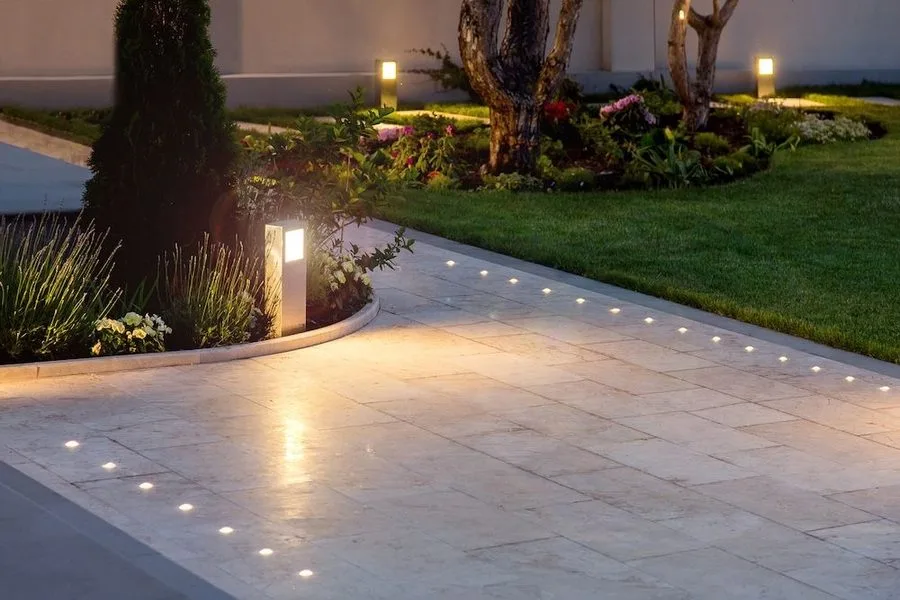
Las Vegas summers bring intense sunshine, extreme temperatures, blowing dust, and occasional monsoon storms. While homeowners often focus on protecting their air conditioning systems from the desert heat, outdoor lighting also faces months of challenging conditions.
From landscape lighting along walkways to security lights near entrances, exterior fixtures are constantly exposed to the elements. Over time, heat, UV radiation, and dust can affect their appearance, performance, and electrical components.
As temperatures begin cooling in Southern Nevada, fall is an ideal opportunity to inspect your outdoor lighting and address problems before shorter winter days arrive.
How Las Vegas Summer Weather Affects Outdoor Lighting Systems
Outdoor lighting may need maintenance after a Las Vegas summer because extreme heat, UV exposure, dust, and seasonal storms can deteriorate fixtures, damage protective materials, and affect electrical connections.
Although outdoor fixtures are designed to withstand environmental exposure, aging components and prolonged desert conditions can eventually lead to performance issues.
Can Extreme Heat Damage Outdoor Light Fixtures?
Yes. Extended exposure to high temperatures and direct sunlight can contribute to:
-
Faded or deteriorating fixture housings
-
Brittle plastic covers and seals
-
Reduced performance from heat-sensitive electronics
-
Dust buildup on lenses and surrounding surfaces
-
Wear on protective materials and electrical connections
Routine inspections help homeowners identify these problems before outdoor lighting becomes unreliable.
1. Check Outdoor Light Fixtures for Heat and UV Damage
Las Vegas receives abundant sunshine throughout the year, and summer UV exposure can gradually affect outdoor lighting materials.
Plastic covers, protective seals, and fixture finishes may deteriorate after prolonged exposure.
What Are the Signs of Sun-Damaged Outdoor Lighting?
Look for:
-
Faded or discolored fixture housings
-
Cracked plastic lenses
-
Brittle or deteriorating seals
-
Loose mounting hardware
-
Fixtures that operate inconsistently
Visible damage doesn’t always mean a fixture requires replacement. However, cracked covers and damaged seals can allow moisture and debris to reach internal components.
If you notice significant deterioration, have a qualified electrician evaluate the fixture before continuing to use it.
2. Clean Dust and Debris From Landscape Lighting
Desert dust is a common challenge for Las Vegas homeowners.
Wind can deposit fine particles on outdoor fixtures, while landscaping activities may leave dirt, leaves, or other debris around ground-level lights.
Can Dust Affect Outdoor Lighting Performance?
Dust and debris can:
-
Reduce visible light output
-
Block illumination along pathways
-
Affect the appearance of landscape fixtures
-
Accumulate around equipment and interfere with ventilation
-
Partially bury low-voltage landscape lights
Cleaning accessible lenses can improve brightness without requiring new fixtures.
Turn off the lighting system before cleaning and follow manufacturer instructions. Avoid spraying water directly into electrical openings or using abrasive cleaning products.
3. Inspect Outdoor Lighting for Monsoon Storm Damage
Although Las Vegas is known for its dry climate, summer monsoon storms can bring sudden downpours, strong winds, and thunderstorms.
These conditions may affect exterior electrical equipment, particularly when protective seals or connections are already deteriorating.
What Outdoor Lighting Problems Can Storms Cause?
Potential issues include:
-
Water entering damaged fixtures
-
Displaced landscape lights
-
Loose mounting hardware
-
Damaged electrical connections
-
Corrosion around exposed components
-
Intermittent lighting operation
If you notice water inside a fixture, repeated breaker trips, or signs of electrical damage, avoid using the affected equipment until it has been inspected.
Professional outdoor lighting repair can help identify storm-related problems and restore dependable operation.
4. Look for Flickering, Dimming, or Burned-Out Lights
Outdoor lights that flicker or operate inconsistently may have problems beyond a burned-out bulb.
Prolonged heat exposure, aging components, and damaged connections can contribute to unreliable lighting performance.
Why Do Outdoor Lights Flicker After Summer?
Common causes include:
-
Loose electrical connections
-
Aging LED drivers
-
Damaged wiring
-
Moisture intrusion
-
Failing low-voltage transformers
-
Incompatible or deteriorating bulbs
If one bulb stops working, replacement may resolve the issue.
However, repeated flickering, multiple failed fixtures, or unexpected outages may indicate an electrical problem requiring professional attention.
5. Check Landscape Lighting Wiring and Connections
Landscape lighting systems often include wiring installed near soil, plants, irrigation equipment, and outdoor structures.
Over time, landscaping activities, weather exposure, and physical damage can affect these components.
What Are the Signs of Damaged Outdoor Lighting Wiring?
Watch for:
-
Several landscape lights failing simultaneously
-
Lights operating intermittently
-
Visible cracks or damage to cable insulation
-
Fixtures malfunctioning after irrigation or storms
-
Breakers or GFCI devices repeatedly tripping
Damaged wiring can create electrical hazards, particularly in outdoor environments where moisture may be present.
Avoid handling exposed conductors or attempting repairs on energized equipment. A licensed electrician can inspect connections and determine the appropriate solution.
6. Test Timers, Photocells, and Smart Lighting Controls
As summer transitions into fall, Las Vegas experiences progressively earlier sunsets.
Outdoor lighting schedules that worked during longer summer days may no longer provide illumination when you need it.
Why Aren’t Outdoor Lights Turning On at the Right Time?
Possible causes include:
-
Incorrect timer settings
-
Power interruptions
-
Faulty photocells
-
Outdated smart lighting schedules
-
Sensors blocked by landscaping or debris
Review your lighting schedules and confirm that automatic controls respond correctly.
Photocells and compatible smart lighting systems can adjust lighting operation based on changing daylight conditions, making them convenient options for year-round use.
7. Inspect Lighting Around Pools, Patios, and Walkways
Outdoor lighting serves an important purpose beyond appearance.
Properly illuminated pathways, steps, and entrances help homeowners and visitors navigate outdoor areas after dark.
Which Outdoor Lights Should You Prioritize?
Focus on frequently used areas, including:
-
Walkways and steps
-
Front and back entrances
-
Driveways and garages
-
Patios and outdoor seating areas
-
Pool surroundings
-
Security lighting near access points
Pool-area lighting deserves particular attention because electrical equipment near water must meet specific safety requirements.
If pool lighting flickers, shows visible damage, or trips electrical protection devices, have it evaluated by a qualified professional.
How Often Should Outdoor Lighting Be Maintained in Las Vegas?
Outdoor lighting maintenance frequency depends on fixture design, installation conditions, and environmental exposure.
However, inspecting your lighting after summer is a practical way to identify problems caused by prolonged heat and seasonal storms.
When Should You Schedule Outdoor Lighting Maintenance?
Consider an inspection:
-
After extended summer heat
-
Following significant monsoon storms
-
Before shorter fall and winter days
-
After landscaping or irrigation work
-
Whenever fixtures flicker or stop operating
Regular maintenance can help extend equipment life, maintain visibility, and identify electrical concerns before they become more serious.
Las Vegas Outdoor Lighting Maintenance Checklist
Use this checklist to evaluate your outdoor lighting after summer:
-
Inspect fixtures for cracks and fading.
-
Clean accessible lenses and covers.
-
Remove debris around landscape lights.
-
Look for water inside fixtures.
-
Test all outdoor lighting zones.
-
Watch for flickering or dimming.
-
Check visible wiring for damage.
-
Test timers and photocells.
-
Adjust schedules for earlier sunsets.
-
Schedule professional electrical repairs when necessary.
Keep Your Outdoor Lighting Working With Pacific Electric
After months of extreme temperatures, intense sunlight, and desert storms, your outdoor lighting may need attention.
Inspecting fixtures, cleaning lenses, checking controls, and addressing damaged components can help maintain reliable illumination around your property.
Whether your landscape lights are flickering, your exterior fixtures show signs of wear, or you’re preparing for shorter winter days, professional electrical service can help identify and resolve lighting problems.
Pacific Electric helps Las Vegas homeowners address outdoor lighting and residential electrical needs.
Contact Pacific Electric today to schedule outdoor lighting maintenance or electrical repairs and keep your property safely illuminated throughout the year.