Finance Your Electrical Project Today



Back to Blog
Why Is My Outlet Hot To The Touch? A Las Vegas Homeowner’s Guide
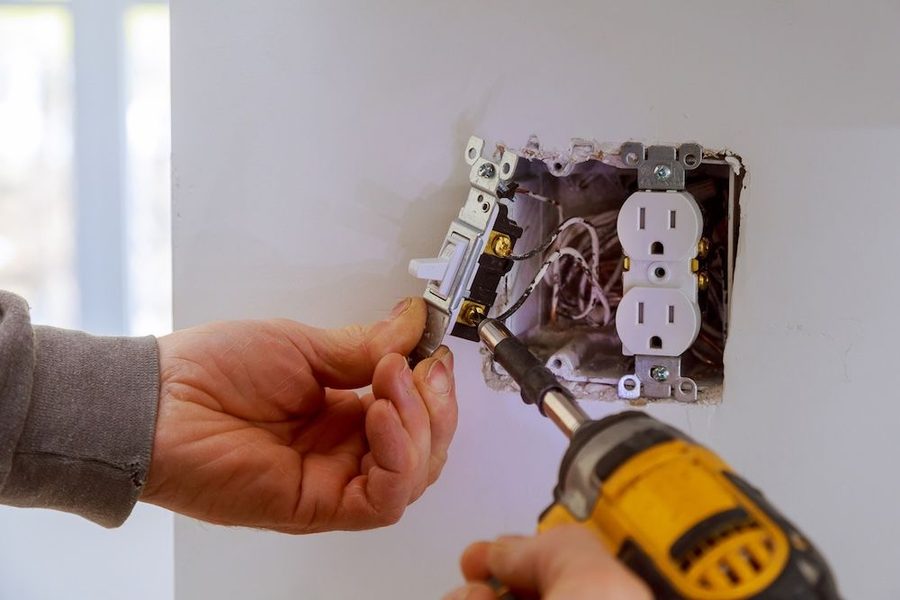
We use the electrical outlets in our walls every single day. From plugging in our smartphones and computers to running television screens, kitchen blenders, and vacuum cleaners, we expect a safe, steady flow of power the moment we plug a cord into the wall. Because these plastic squares are such a normal part of our household routine, it is easy to take them for granted. But if you ever go to unplug a cord and notice that the actual plastic faceplate feels warm or hot to the touch, you need to pay attention immediately.
An electrical outlet should never feel hot. In a busy household, a hot or warm outlet is a critical warning sign that something is going wrong behind your drywall. Ignoring this issue can quickly lead to melted plastic, ruined appliances, and dangerous electrical fires. For families living across Las Vegas, Henderson, and North Vegas, our local climate puts extra pressure on home electrical grids, making regular safety checks incredibly important. Pacific Electric has been keeping local homes safe with honest, dependable trade services for years. This guide breaks down the everyday reasons why an outlet gets hot and the immediate steps you should take to protect your property.
Common Reasons Your Wall Outlet is Overheating
Electrical currents naturally generate a tiny bit of heat as they move through wires, but your home’s electrical layout is engineered to keep that heat locked away safely. When an outlet becomes noticeably hot, it usually means the electrical current is meeting an unexpected barrier or overload.
Why Electrical Currents Create Dangerous Hidden Heat
-
An Overloaded Electrical Circuit: This is a very common issue in modern households. If you have a single outlet running a heavy power strip that feeds a space heater, a portable air conditioner, and a gaming computer all at once, you are drawing more electricity than the outlet can safely process, causing the plastic housing to bake.
-
Loose or Corroded Wire Connections: Over the years, the copper wires attached to the back of your outlet can naturally expand, contract, and shift out of place. If a wire connection becomes loose, the electricity has to “jump” across an open gap to complete its path. This creates an invisible electrical arc that generates intense, localized heat.
-
A Failed Internal Component: Outlets are not designed to last forever. The internal metal contact strips that hold plastic plug prongs tight inside the wall will naturally stretch out and weaken over decades of use. When these clips lose their grip, it creates high electrical resistance, which turns straight into heat.
-
Using the Wrong Wire Size: If a cut-rate contractor or an amateur DIY enthusiast installed your outlet, they might have used thin 14-gauge wire on a heavy 20-amp circuit. Forcing a massive stream of power through an undersized copper wire acts like a bottleneck, causing the entire line to overheat behind your walls.
The Las Vegas Factor: High Heat and Old Wiring Layouts
Living in the desert introduces a few unique structural challenges that directly impact how your home handles power distribution. Our local climate requires a proactive approach to electrical safety.
How Summer Heat and Older Home Frameworks Combine
-
Surviving Blistering Summer Utility Strains: During our scorching summer months, Las Vegas homes draw a massive amount of continuous power to run air conditioners, pool pumps, and refrigerator motors. This sustained electrical load places maximum stress on your main panel and branch circuits, making existing weak points fail faster.
-
Dealing with Aged Aluminum Wiring: Many local neighborhoods built during the housing booms of the late 1960s and 1970s utilize aluminum branch wiring instead of copper. Aluminum expands significantly when heated, a property that causes screw connections on outlets to loosen rapidly, creating high-risk fire zones.
-
Trapped Heat in Exterior Wall Cavities: Outlets installed on the inside of exterior stucco walls bear the brunt of direct afternoon sunshine. When outdoor temperatures climb past 110 degrees, the dead air space inside your wall cavities can become a literal oven, giving your electrical components zero opportunities to naturally cool down.
Smart Ways to Fix and Modernize Your Electrical Grid
If an electrician confirms that your outlet or wiring infrastructure has suffered thermal degradation, patching things up with a simple piece of electrical tape is a major safety risk. You want to execute durable, code-compliant updates that protect your property asset for the long haul.
Modern Safety Enhancements for Your Wall Connections
The absolute best way to protect your family from hidden wiring hazards is to replace old, standard outlets with modern Arc Fault Circuit Interrupter (AFCI) technology. These smart safety outlets feature internal microcomputers that continuously monitor the flow of electricity. The millisecond they detect a loose wire sparking or a dangerous heat spike behind the wall, they cut off power to the circuit instantly, stopping an electrical fire before it can even start.
If your home features outdated aluminum wiring, a licensed specialist can safely remediate the lines using specialized Copalum connectors that bridge the aluminum lines to safe copper tails, preventing loose terminal screws. Additionally, upgrading busy kitchen and entertainment zones to dedicated lines ensures that high-power appliances have their own clear pathway back to the breaker panel, permanently eliminating dangerous circuit overloads.
Safeguard Your Home’s Power System
Taking care of your home’s hidden electrical network is one of the most critical responsibilities of property ownership. While simple household tasks like keeping an eye out for loose plugs and avoiding heavy extension cords can ease the baseline load on your circuits, fixing a hot wall outlet requires specialized diagnostic tools and professional trade expertise. Continuing to draw power through an overheating connection is a high-stakes gamble that risks catastrophic structural damage. Making the proactive choice to modernize your wall outlets with smart AFCI components and balanced branch lines permanently eliminates electrical breakdown anxiety, lowers your baseline fire risks, and keeps your property operating safely through the warmest desert summers.
You don’t have to navigate scary electrical hazards or confusing breaker issues on your own. The friendly, fully licensed team at Pacific Electric specializes in executing precision electrical safety audits, aluminum wire remediation, and code-compliant outlet modernizations for families across the Las Vegas valley. Our certified electricians arrive in fully stocked service vehicles, diagnose hidden wiring anomalies cleanly, and provide clear upfront pricing options with absolutely zero sales pressure.
Give us a phone call today to get an expert out to your home!