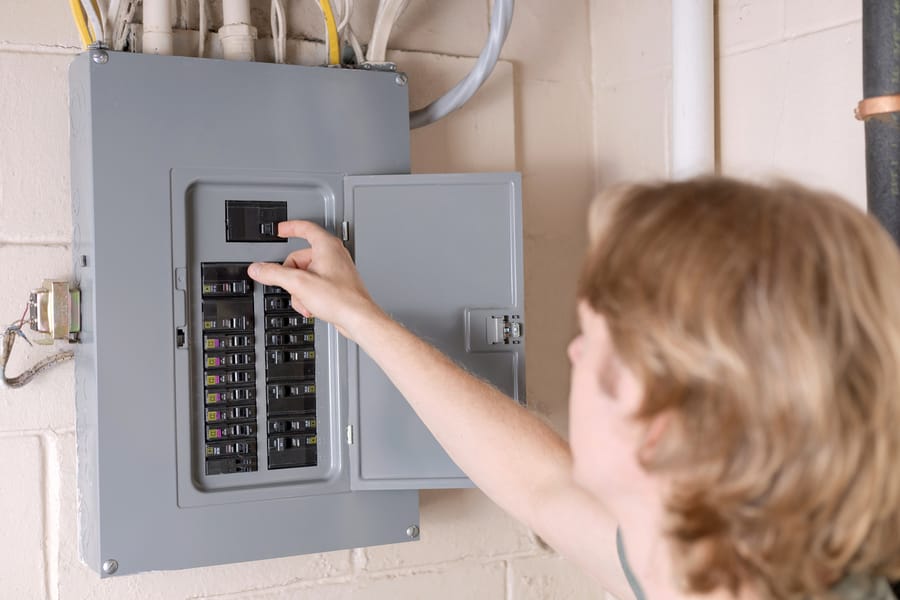
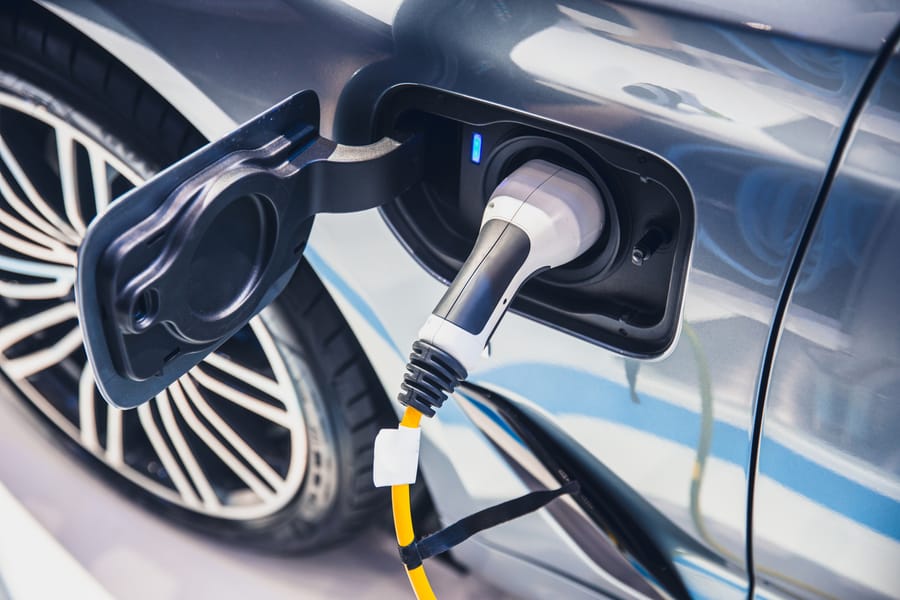
Finance Your Electrical Project Today



Back to Blog
Summer-Proofing Your Panel: Why Las Vegas Heat Causes Circuit Breaker Fatigue
Summertime in the Las Vegas Valley is an exercise in extreme endurance. From the modern developments in Summerlin to the vibrant neighborhoods of Henderson and the historic properties near Fremont Street, residents are accustomed to coping with outdoor temperatures that routinely shatter the 110-degree mark. When the desert sun bakes the valley floor, our survival strategy relies entirely on one primary objective: keeping our indoor spaces cool.
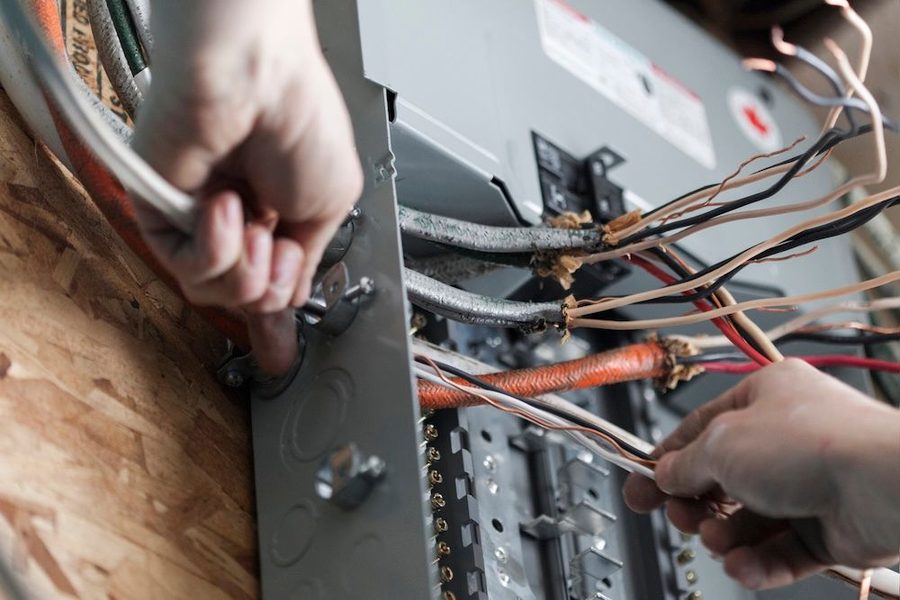
To achieve that comfort, your central air conditioning system must run almost continuously throughout the day and night. This seasonal load puts a massive amount of mechanical strain on your HVAC equipment, but it creates an even greater, hidden vulnerability inside the central nerve center of your home: your electrical breaker panel.
The intense, sustained heat of a Mojave desert summer is notorious for causing a physical phenomenon known as circuit breaker fatigue. When your panel components become exhausted, your home faces an immediate risk of unexpected power blackouts, ruined appliances, and electrical fires. At Pacific Electric, we have been keeping Las Vegas properties safe and energy efficient since 1986. This electrical guide breaks down the underlying physics of why extreme heat degrades your breaker panel and outlines the steps you must take to summer-proof your property.
The Secret Relationship Between Amperage and Atmospheric Heat
Many homeowners operate under the assumption that circuit breakers are simple mechanical switches that only trip when an appliance malfunctions or a short circuit occurs. However, residential breakers are actually highly sensitive thermal-magnetic devices designed to respond directly to heat.
The Mechanics of Thermal Tripping
Inside a standard residential circuit breaker sits a thin, specialized strip composed of two dissimilar metals bonded together, known as a bimetallic strip.
As electricity flows through the breaker to power your appliances, the natural electrical resistance warms the bimetallic strip slightly. If the electrical current, measured in amperage, exceeds the safe capacity of the circuit, the strip heats up to a critical threshold, bends physically due to uneven expansion, and triggers the internal mechanical trip latch to cut the power.
How Ambient Desert Temperatures Change the Math
Electrical panels in the Las Vegas metro area are frequently installed on exterior garage walls, inside unconditioned utility closets, or directly on the outside stucco of the home, where they are exposed to the direct afternoon sun.
When the ambient outdoor air temperature reaches 115 degrees, the ambient temperature inside an enclosed metal electrical box can easily soar past 140 degrees. This baseline environmental heat primes the bimetallic strips inside your breakers. Because the panel is already baking, the breakers require far less electrical current to reach their mechanical tripping point, a process known as thermal derating.
Why the Las Vegas Lifestyle Causes Breaker Fatigue
The combination of extreme external heat and high internal electrical demand creates a perfect storm for panel degradation over the summer months.
Continuous, High-Amperage Demands
Air conditioning systems require a massive influx of electrical energy to start their compressor pumps and must draw a high, continuous amperage to keep your home stable against the desert heat loop.
When your cooling system runs for hours at a time during the peak afternoon utility windows, it generates continuous internal resistance heat inside your panel. This sustained thermal stress forces the internal springs, latches, and bimetallic components of your breakers to remain expanded for extended periods, slowly draining their structural tension and elasticity.
The Phenomenon of Breaker Fatigue
Over years of enduring these extreme seasonal expansions and contractions, a circuit breaker develops physical fatigue.
-
Nuisance Tripping: A fatigued breaker becomes weak and erratic. It will begin to trip at lower and lower thresholds, shutting down your air conditioner or kitchen circuits even when the appliances are drawing normal, safe amounts of electricity.
-
The Failure to Trip Danger: Conversely, extreme heat can occasionally cause the internal plastic casing and mechanical latches of an older breaker to warp or fuse together. If a fatigued breaker gets stuck in the ON position, it will fail to trip during a genuine electrical overload, allowing wires behind your walls to melt and ignite a devastating house fire.
Recognizing the Critical Warning Signs of Panel Exhaustion
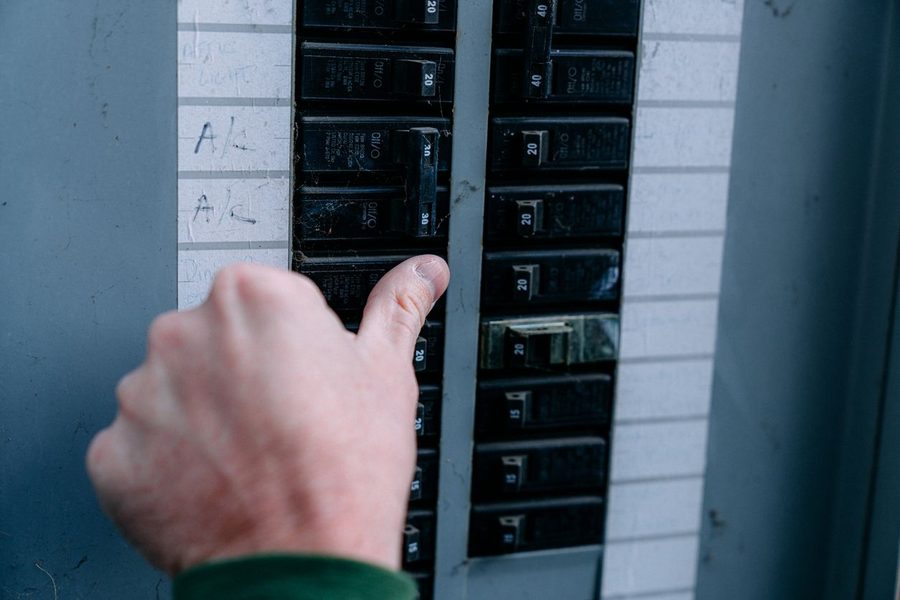
Circuit breaker fatigue rarely happens overnight. Your electrical system will drop several distinct physical clues that your panel infrastructure is struggling ahead of a total failure.
-
Breakers that Feel Hot to the Touch: Open your metal panel door during the afternoon. If individual plastic switches feel radiating or distinctly hot rather than mildly warm, internal resistance is dangerously high.
-
Flickering Lights When the AC Engages: If your lights dim significantly or flicker momentarily whenever your cooling system or clothes dryer kicks on, your panel cannot distribute power smoothly under load.
-
Persistent Buzzing or Humming Sounds: A healthy electrical panel operates in absolute silence. A distinct buzzing, sizzling, or clicking sound coming from your box indicates a dangerous arc condition or a loose connection.
-
The Smells of Melting Insulation: A strong, fishy, or metallic burning odor near your breaker box is an immediate electrical emergency, indicating that plastic wire coatings are actively melting from intense heat.
Permanent Solutions to Summer-Proof Your Electrical Grid
Patching up an old, failing breaker box with temporary spot fixes is a dangerous gamble that compromises your family safety. To ensure your home survives the peak of the desert summer, you must look at systemic, long-term infrastructure improvements.
Professional Breaker Re-Torquing and Tune-Ups
Electrical connections can loosen over time due to the microscopic vibrations caused by alternating current and the physical expansion cycles of copper and aluminum wiring. During a safety inspection, a licensed residential electrician from Pacific Electric can check the torque specifications of every terminal screw, replace individual fatigued breakers, and balance the electrical loads across your bus bars to eliminate hot spots.
Upgrading to a High-Capacity 200-Amp Panel
Many older homes across the Las Vegas valley were constructed with legacy 100-amp or 150-amp electrical services. In 2026, these systems are simply inadequate for modern life.
Upgrading to a code-compliant 200-amp panel expands the physical size of your distribution box, provides more physical space for air to circulate around components, and delivers a robust electrical framework that can handle high-efficiency variable-speed air conditioners, electric vehicle charging stations, and smart home appliances simultaneously without overstressing individual circuits.
Trust Pacific Electric for Expert Craftsmanship
Managing high-voltage residential electrical components requires an exceptional level of technical training and precision tools. Attempting to swap out breakers or modify an electrical panel as a DIY project can result in immediate electrocution, arc flash explosions, and catastrophic hidden fire hazards behind your drywall.
At Pacific Electric, our fully licensed, bonded, and insured technicians have been serving the Las Vegas community for nearly forty years. We understand the specific codes, microclimates, and electrical demands unique to desert properties. We stand behind our craftsmanship with a comprehensive satisfaction guarantee and always provide transparent, flat-rate upfront pricing before any job begins, ensuring there are never any hidden fees or surprise surcharges.
Act Now Before the Temperature Spikes
Your electrical panel is the unsung heart of your home infrastructure, working tirelessly to power the appliances that keep your family safe and comfortable. Allowing an outdated, fatigued breaker box to face the full force of a Las Vegas summer without professional evaluation is an unnecessary risk that can leave you stranded in a sweltering house.
Take absolute control of your home electrical safety today before the next major heatwave arrives. Contact Pacific Electric to schedule a panel safety inspection and electrical tune-up. Let our family-owned team deliver the reliable, high-quality, and honest solutions that give your household absolute peace of mind all year long.