
Google Rating

Back to Blog
EV Charging in the Desert: Optimizing Home Installations for Las Vegas Heat
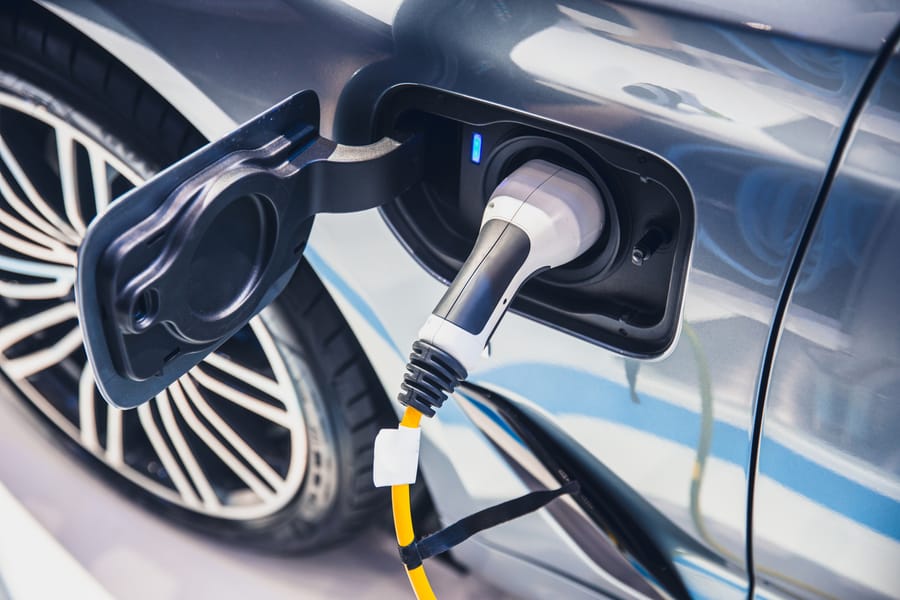
In the Mojave Desert, our summer afternoons are more than just uncomfortable; they are a rigorous stress test for every piece of technology we own. While Las Vegas homeowners are increasingly switching to electric vehicles to save on rising fuel costs and reduce their carbon footprint, the desert climate introduces a set of variables that standard installation guides often ignore. When the thermometer hits 115 degrees, your home charging setup needs to be more than just functional; it must be desert-proof.
Extreme heat is the primary enemy of electrical efficiency and battery health. A charging system that works perfectly in a mild climate can struggle in Southern Nevada, leading to thermal throttling, increased energy waste, and long-term degradation of your vehicle’s most expensive component. At Pacific Electric, we specialize in creating robust electrical solutions that thrive in our unique environment.
This guide will walk you through the essential optimizations needed to ensure your home EV charging station remains safe, efficient, and reliable throughout the blistering Las Vegas summer.
Strategic Placement: The Garage vs. The Sun
Location is the single most important decision in a desert EV installation. Direct sunlight in Las Vegas is intense enough to cause the internal safety sensors of a charger to throttle power delivery or shut down entirely to prevent hardware damage.
The Gold Standard: Indoor Garage Mounting
Whenever possible, we recommend installing your Level 2 charger inside a garage. Even a non-climate-controlled garage provides a vital barrier against direct UV radiation and radiant heat.
-
Ambient Air Advantage: While a garage can still get hot, it stays significantly cooler than a driveway. This allows the charger’s heat sinks to dissipate internal heat more effectively.
-
Cable Protection: Intense sun can cause the rubber casing on charging cables to become brittle and crack over time. Indoor storage keeps the cables flexible and safe.
The Outdoor Alternative: Shading and Orientation
If a garage installation is not possible, your charger needs a defensive strategy.
-
North-Facing Walls: Always aim to mount the unit on the north side of your home, which receives the least amount of direct sunlight throughout the day.
-
Shade Structures: We often install small awnings or heat shields over outdoor units. These simple structures can reduce the temperature of the charger casing by twenty degrees or more.
-
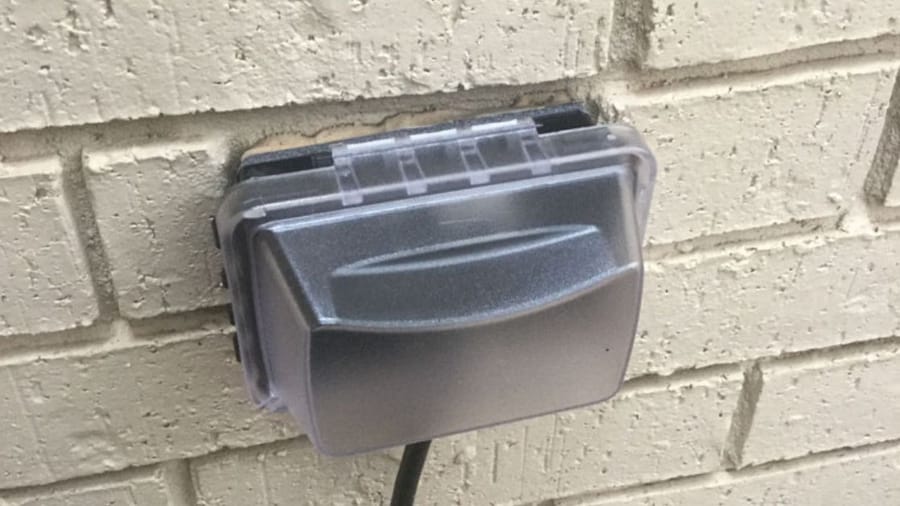
Airflow Buffers: Avoid mounting chargers directly against dark-colored brick or stone walls that soak up heat. Using stand-off brackets allows air to circulate behind the unit, helping it stay cool during high-amperage charging sessions.
Hardwiring vs. Plug-In Models
Many homeowners prefer the flexibility of a plug-in charger that uses a NEMA 14-50 outlet. However, in extreme heat, every connection point is a potential site for resistance and heat buildup.
The Hardwired Advantage
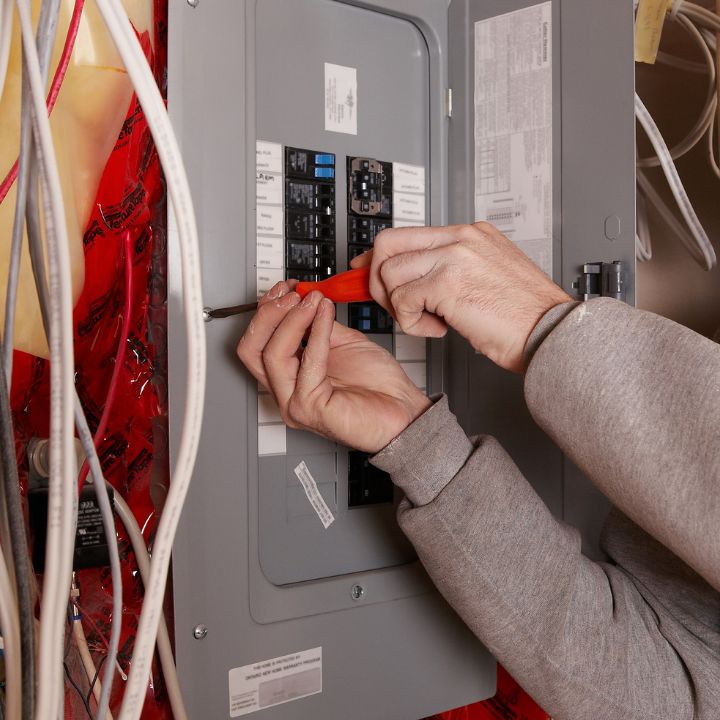
At Pacific Electric, we generally recommend hardwired installations for Las Vegas homes. By connecting the charger directly to your electrical panel, you eliminate the plug-and-outlet interface.
-
Reducing Resistance: Plugs can loosen over time due to the constant expansion and contraction caused by our desert temperature swings. Loose connections create resistance, which generates heat.
-
Higher Reliability: Hardwired units are less likely to experience “nuisance tripping” of the circuit breaker during a 110 degree day when your home’s electrical load is at its peak.
-
Clean Aesthetics: A hardwired connection looks more professional and removes the risk of someone accidentally unplugging the vehicle mid-charge.
Managing the Load: Electrical Panel Headroom
Las Vegas homes already have some of the highest electrical demands in the country because our air conditioning units run nearly 24/7 during the summer. Adding an EV charger to this mix requires a careful look at your home’s electrical capacity.
Professional Load Calculations
Before we begin an installation, we perform a detailed load calculation. We need to ensure that your panel can handle your AC, pool pump, and electric oven all running at the same time as your EV charger.
-
Panel Upgrades: If your home was built before the 1990s, you may only have 100-amp or 125-amp service. Supporting a fast Level 2 charger often requires an upgrade to a 200-amp panel to provide the necessary “headroom” for safe operation.
-
Smart Load Management: In some cases, we install smart energy managers that can temporarily pause your EV charging if the home’s total power draw gets too high, preventing a tripped main breaker.
Charging Habits for Desert Longevity
Your installation is only half the battle. How you use your charger in the heat will determine the lifespan of your vehicle’s battery.
The 80 Percent Rule
Heat causes internal stress in lithium-ion batteries. This stress is significantly worse when the battery is at a high state of charge. During the peak summer months, we recommend setting your vehicle’s charging limit to 80 percent for daily use. Only charge to 100 percent if you are planning a long trip immediately after the charge is complete.
Time of Use and Thermal Management
Charging your car when it is 110 degrees outside forces the vehicle to use a significant amount of energy just to run its own cooling pumps.
-
Midnight Charging: Schedule your charging to start after 11 PM. Not only is the ambient air cooler, but this is when NV Energy offers its lowest rates for EV owners on the “Electric Vehicle Recharge Rider” plan.
-
Pre-Conditioning: Use your home charger to “pre-cool” the car’s cabin while it is still plugged in. This uses power from your home instead of your battery, ensuring you start your commute with a cool car and a full range.
Why Pacific Electric for Your Las Vegas Installation?
As a locally owned and operated company, Pacific Electric understands the Mojave Desert in a way that national installers do not. We don’t just pull permits and run wire; we design systems that are built to survive and thrive in our specific climate.
Our team of licensed electricians is certified in the latest EVSE technology and stays up to date on all Southern Nevada building codes. We pride ourselves on providing transparent pricing and a level of craftsmanship that ensures your home and your vehicle are protected.
Contact Pacific Electric today for a free home evaluation and let us help you optimize your EV charging setup for the Las Vegas heat.