Finance Your Electrical Project Today



Back to Blog
Mojave Heat & Your Breaker Panel: Why Summer Spikes Cause “Silent” Damage
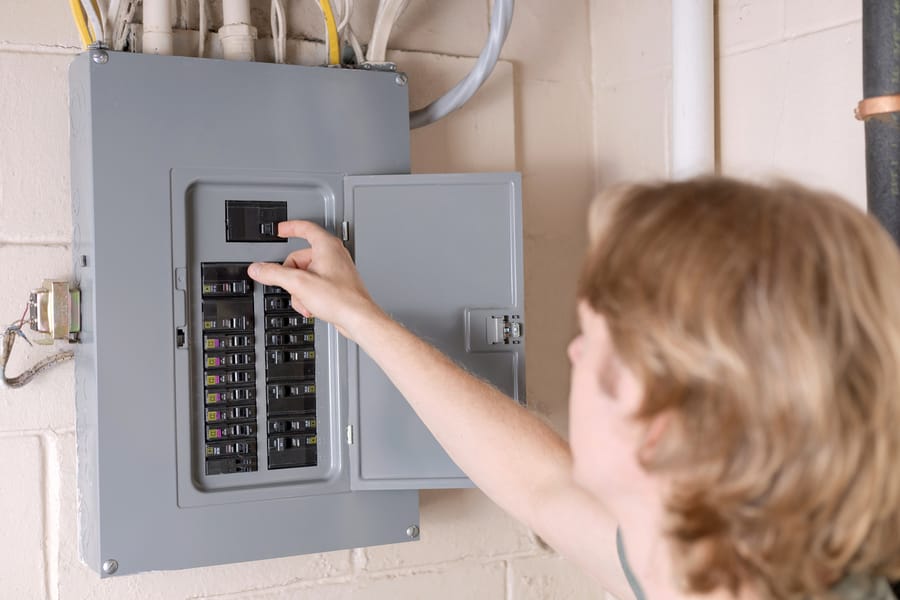
In the Mojave Desert, summer isn’t just a season; it’s an endurance test. The Las Vegas Valley is already seeing record-breaking temperature spikes, with March highs flirting with triple digits and summer forecasts looking even more intense. When the heat hits 110°F and beyond, our first instinct is to crank the AC and stay indoors. But while you are staying cool, your electrical panel, often located on the blistering exterior of your home, is fighting a silent, high-stakes battle. At Pacific Electric, we’ve served Las Vegas and Henderson since 1986, and we know that the “silent” damage caused by desert heat is one of the leading causes of mid-summer electrical fires and total power failures.
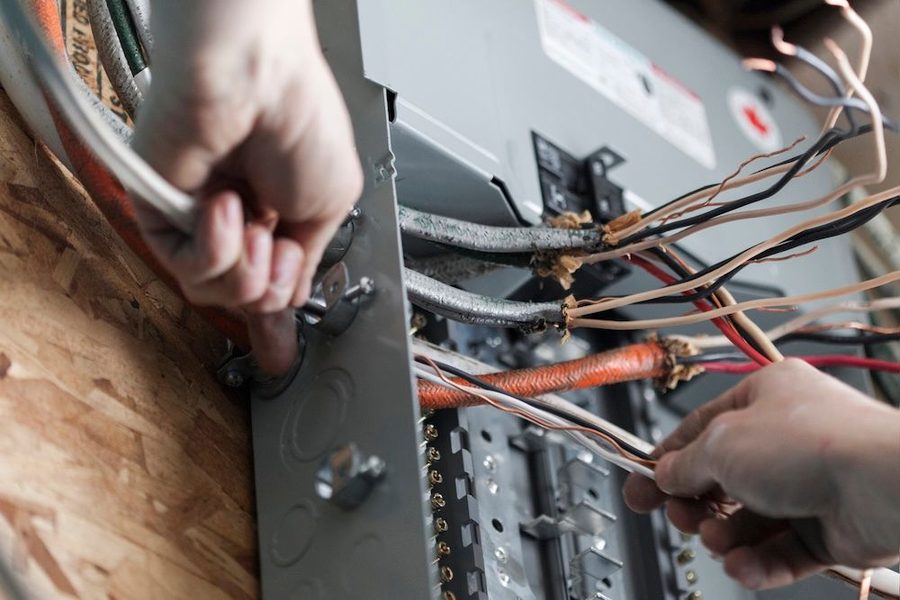
Most homeowners think of their breaker panel as a static “box of switches.” In reality, it is a complex assembly of metal, plastic, and sensitive electronics that is highly reactive to the environment. The intense Mojave sun doesn’t just stress your air conditioner; it physically degrades the very infrastructure that powers it. This guide explains how extreme heat damages your electrical system and why waiting for a “blown fuse” to take action can be a dangerous and expensive mistake.
The Science of “Silent” Heat Damage
Electricity naturally generates heat as it flows through wires. When you add the external heat of a Nevada summer, the internal temperature of your breaker panel can reach staggering levels.
-
Expansion and Contraction: Metals like copper and aluminum expand when they get hot and contract when they cool at night. In the desert, this daily cycle is extreme. Over time, this constant movement can loosen the screws holding your wires in place. A loose wire creates “arcing,” a tiny, high-heat spark that can eventually melt components or start a fire.
-
Increased Resistance: Heat makes it harder for electricity to move through a wire. This “resistance” forces the system to pull more current to do the same amount of work, creating even more heat in a vicious cycle.
-
Brittle Insulation: The dry, intense Mojave heat combined with high UV exposure eventually turns the flexible plastic insulation on your wires into a brittle, cracking shell. Once the insulation fails, “hot-to-metal” contact is only a matter of time.
The “Heavy Load” Factor in 2026
In 2026, our homes are drawing more power than ever before. Modern high-efficiency HVAC systems, Level 2 EV chargers, and always-on smart home tech put a continuous load on panels that were often only designed for the needs of the 1990s.
When an EV charger pulls 40 amps of power for several hours in a 115°F garage, your breaker panel is under immense thermal stress. If your panel is older or hasn’t been inspected recently, it may “nuisance trip” as a safety measure. While frustrating, a tripping breaker is actually a warning sign. If you keep resetting a breaker that is “feeling the heat,” you are forcing the system to operate in a danger zone that can lead to a permanent, unrepairable failure.
Identifying the Warning Signs of a Heat-Stressed Panel
Because heat damage is often silent, you have to be vigilant about the “symptoms” your home is showing:
-
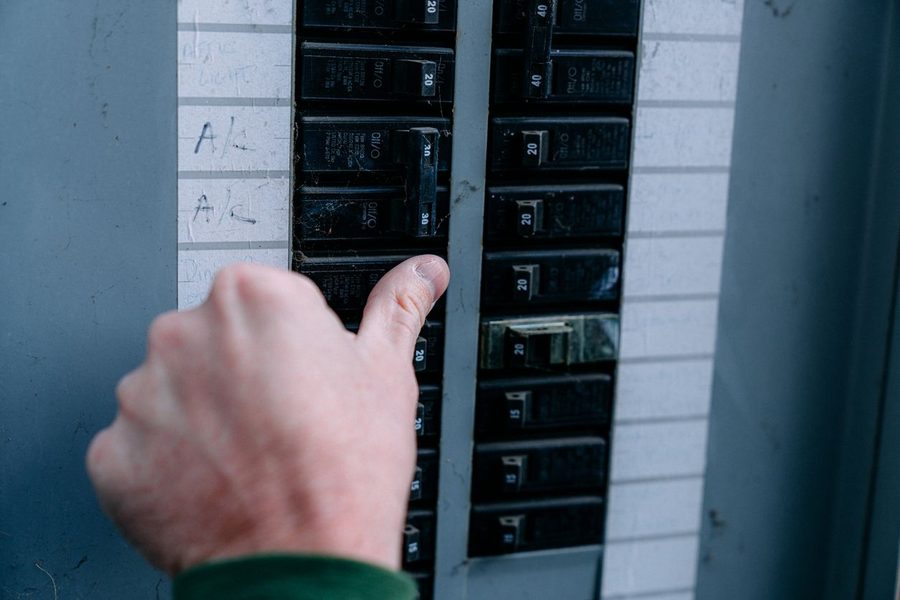
The “Warm Touch” Test: Gently feel the cover of your breaker panel (do not open it). If the metal feels hot to the touch, especially in the evening after the sun has gone down, your internal components are likely overloaded.
-
The Smell of “Fish” or Burning: Overheating wire insulation often gives off a distinct, pungent “fishy” odor or the smell of acrid, burning plastic. If you smell this near your panel, shut off your main breaker and call Pacific Electric immediately.
-
Buzzing or Crackling: Electricity should be silent. If you hear a “sizzle” or a “snap” coming from your panel, it is the sound of electricity jumping a gap (arcing). This is a major fire hazard.
-
Flickering Lights: If your lights dim or pulse when the AC kicks on, your panel is struggling to manage the “inrush” of power required during a heat spike.
2026 Financial Relief: Rebates and Tax Credits
Modernizing your electrical system in 2026 is more affordable than ever thanks to state and federal incentives designed to help desert residents prepare for a “clean energy” future.
-
SCE Charge Ready Home Rebates: For residents in disadvantaged communities or income-qualified households, Southern California Edison offers rebates of up to $4,200 to upgrade your electrical panel to 200 amps.
-
Federal Tax Credits: Under the Inflation Reduction Act, you may be eligible for a 30% tax credit (up to $600) for a panel upgrade that supports energy-efficient home improvements.
-
Pacific Electric Guidance: We specialize in the documentation required for these programs, ensuring you maximize your savings while future-proofing your Mojave home.
Why Choose Pacific Electric?
Since 1986, Pacific Electric has been the trusted name for electrical safety in the Las Vegas Metro Area. We aren’t just electricians; we are your neighbors who understand the unique demands of the Mojave climate. Whether you are in a Henderson estate, a Summerlin condo, or one of our valley’s many vibrant mobile home communities, we provide 24/7 emergency service to ensure you are never left in the heat. Our licensed, bonded, and insured technicians offer free estimates and upfront pricing, so you never have to worry about “desert-sized” surprises on your bill.
Don’t Wait for the “Lights Out” Moment
Your electrical panel is the “heart” of your home’s safety. In the Mojave Desert, “checking the panel” should be as much a part of your summer routine as checking your AC filters. By catching heat damage early, you can avoid the thousands of dollars in damage caused by a mid-August electrical failure. Don’t let the silent heat damage win; take control of your home’s power today.
Protect your home from the desert heat. Contact Pacific Electric today for a professional, 24/7 electrical safety audit of your breaker panel.